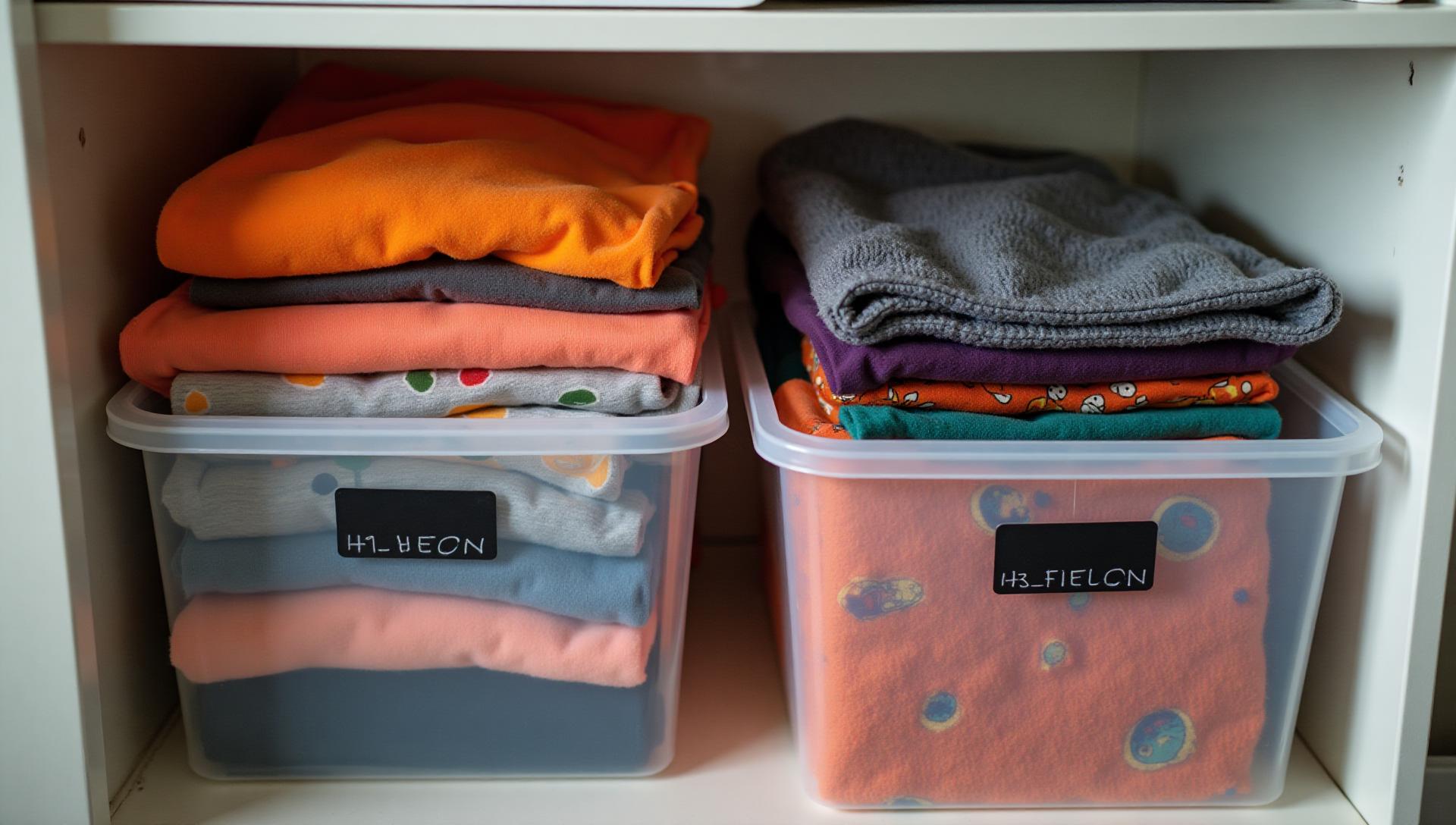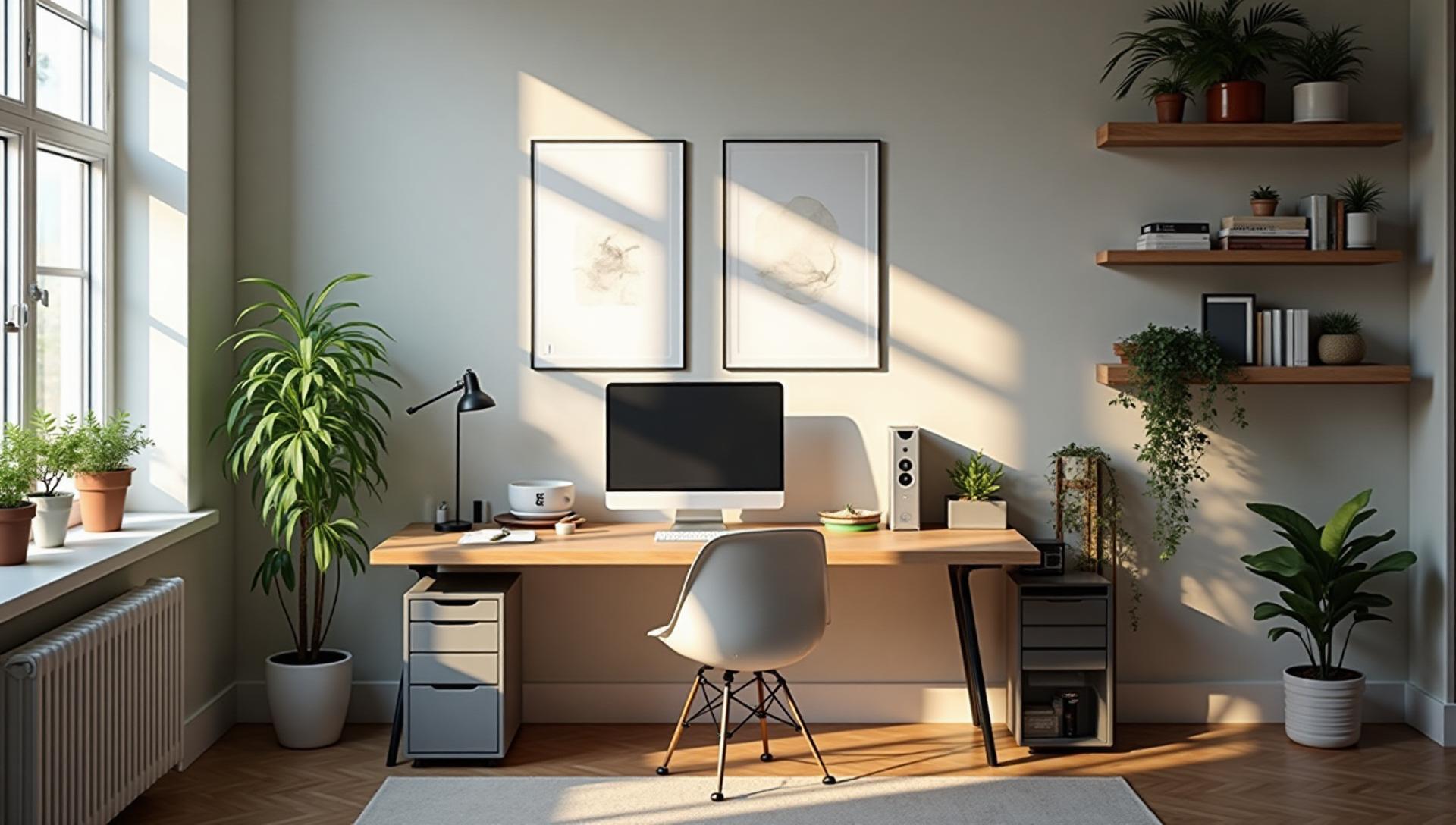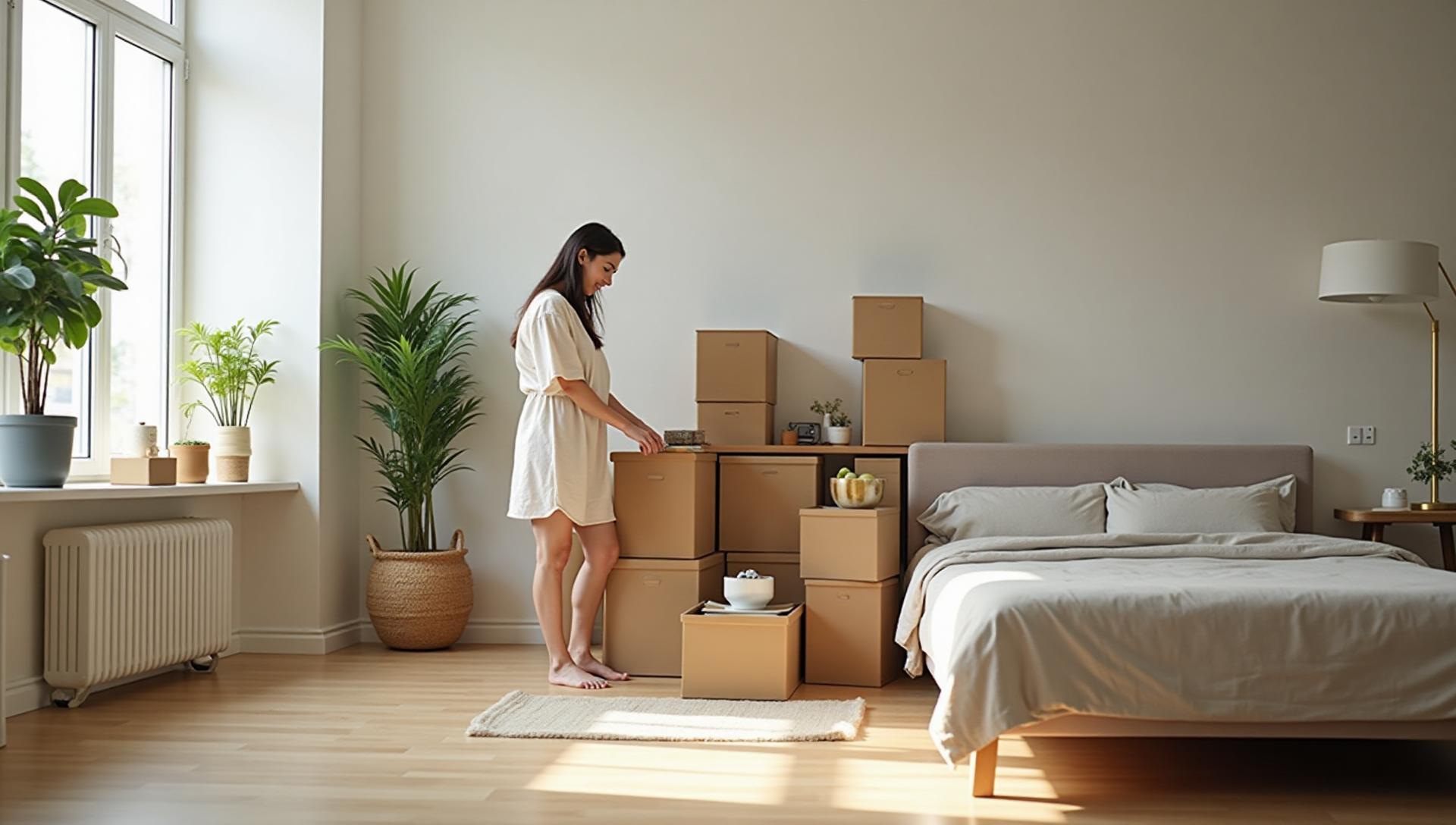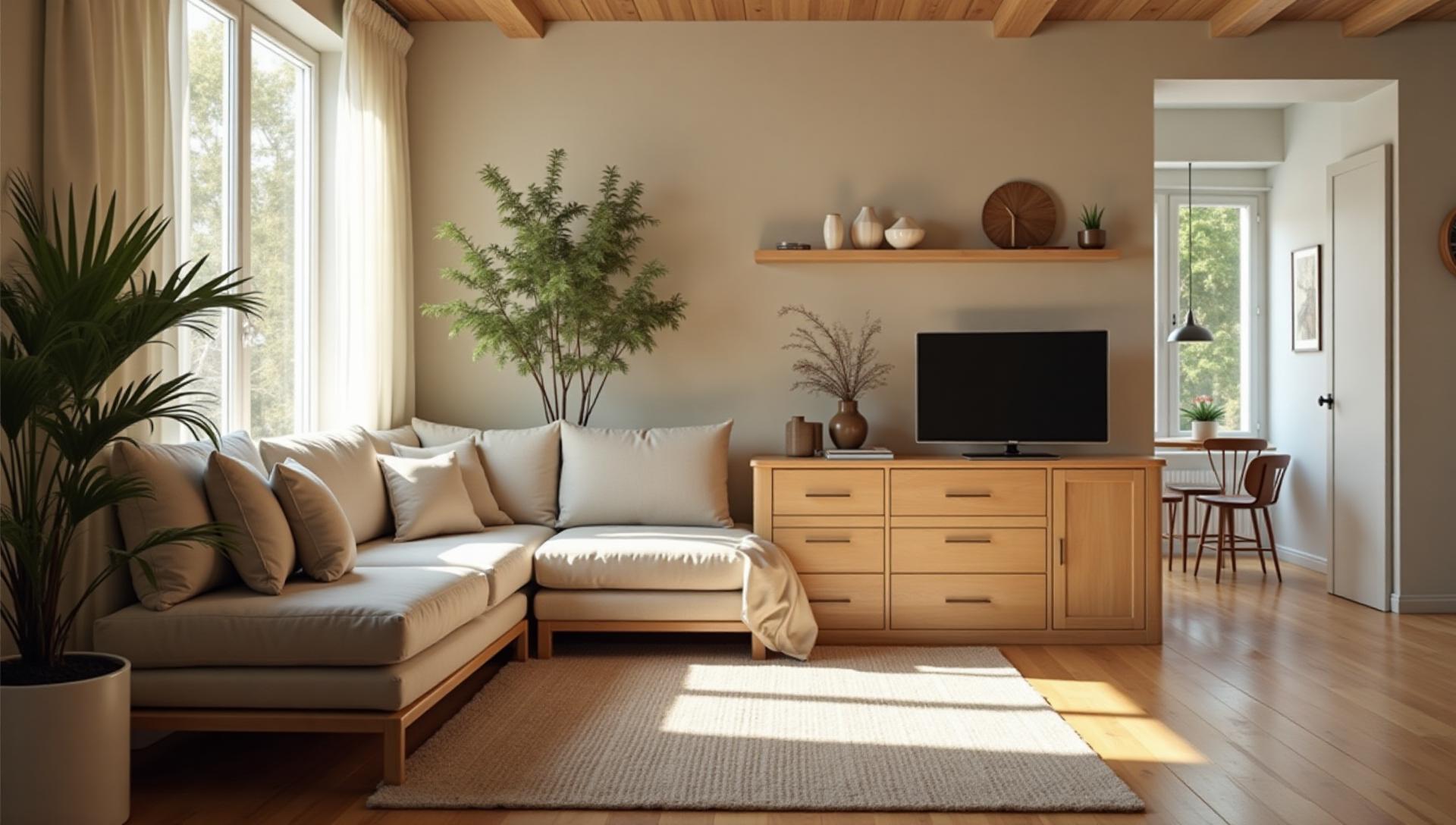
Ever look around your space and wonder, "How did I end up with all this stuff?" You're not alone. From overflowing closets to that stack of moving boxes you've been meaning to deal with "someday," clutter has a way of creeping into our lives—and our minds. Let's explore why we hold onto things, how it affects our well-being, and most importantly, how to break free from the clutter cycle.
Understanding the Psychology Behind Clutter
Clutter isn't just about having too many things—it's often a reflection of what's going on inside our heads. Environmental psychology tells us that our surroundings have a profound impact on our mood, productivity, and overall mental state.
A Princeton University study found that physical clutter competes for our attention, making it harder to focus and process information. When every surface is covered with stuff, our brains are constantly trying to manage all that visual noise, leaving us feeling mentally exhausted.
But here's the thing: we often hold onto items for emotional reasons. Fear of scarcity ("What if I need this someday?"), attachment to memories, or simply feeling overwhelmed by the decision to let go. Understanding these underlying psychological factors is the first step toward creating a calmer, more intentional space.
The Clutter-Depression Connection
Research shows a strong link between cluttered environments and feelings of depression. People living in messy spaces often report higher levels of fatigue and depressive symptoms. It makes sense when you think about it—when your environment feels chaotic, it's hard to find mental peace.
A UCLA study found that people in cluttered homes had elevated cortisol levels (the stress hormone), which can lead to chronic stress and eventually depression. The constant visual reminder of unfinished tasks and disorganization can trigger feelings of guilt, shame, and inadequacy.
Unfortunately, depression can create a vicious cycle: when you're already feeling low on energy and motivation, tackling clutter feels impossible. This leads to more accumulation, which deepens the depression. Breaking this cycle often requires taking small, manageable steps rather than trying to transform everything at once.
Clutter and Anxiety: A Vicious Cycle
The relationship between clutter and anxiety is like a feedback loop—each one feeds into the other. The American Psychiatric Association has noted the significant impact that cluttered environments have on stress and anxiety levels.
When you're surrounded by disorder, your brain is constantly processing all that visual information. This sensory overload makes it difficult to relax and can leave you feeling on edge. Plus, clutter can symbolize a loss of control, intensifying feelings of helplessness and distress.
On the flip side, anxiety can actually cause clutter to accumulate. When you're feeling anxious, making decisions about what to keep or discard can feel overwhelming, so you avoid it altogether. The clutter builds up, which increases anxiety, which makes it harder to deal with the clutter—and the cycle continues.
4 Key Psychological Reasons We Accumulate Clutter
1. Emotional Attachment to Possessions
Objects often carry powerful memories—of loved ones, special moments, or significant life chapters. That old concert ticket stub or childhood toy isn't just stuff; it represents experiences and emotions. Letting go can feel like losing those memories, even when we know that's not really true.
2. Hoarding Tendencies
For some people, the difficulty goes beyond normal emotional attachment. Hoarding disorder is a recognized psychological condition where people feel compelled to keep items regardless of their actual value or usefulness. The thought of discarding things causes significant distress, leading to rapid accumulation and cluttered living spaces.
3. Fear of Letting Go
"But what if I need it someday?" This fear is incredibly common. We worry about future scenarios where we might regret discarding something. There's also guilt about wasting money on items we haven't used, or anxiety about losing the memories associated with possessions. So we hold onto everything "just in case."
4. Decision Fatigue
Sometimes clutter accumulates simply because making decisions is exhausting. Every item requires a choice: keep it, donate it, throw it away, or organize it. When you're already dealing with daily decision fatigue, adding "should I keep this?" to the pile can feel overwhelming, so items pile up indefinitely.
Feeling overwhelmed by clutter? If you are reading this in San Diego, Juujbox will come to your door, pick up your clutter, and store it for you.
Check Local RatesNot in San Diego? Read our guide on how to let go below.
How Smart Storage Solutions Support Mental Well-Being
Here's something many people don't realize: the right storage approach isn't just about hiding stuff away—it's about creating mental space and reducing stress. Here's how a good storage solution can enhance your mental health:
Creating a Clear Environment
When you remove excess items from your immediate living or working space, you create room to breathe—both physically and mentally. A tidy environment often translates to a clearer mind, helping you focus and feel more at peace in your own space.
Regaining a Sense of Control
Feeling out of control is a major source of stress. By organizing your possessions and designating a proper place for everything, you take back control of your environment. This sense of order can have a surprisingly powerful effect on your overall stress levels.
Saving Time and Reducing Frustration
How much time have you spent searching for something you know you have... somewhere? An organized storage system means you know where things are when you need them, eliminating that frustrating treasure hunt through clutter.
Protection and Peace of Mind
Knowing your belongings—especially items with sentimental or monetary value—are stored safely and securely removes a source of background worry. You're not constantly thinking, "Is that okay where I put it?"
The Therapeutic Process
The act of sorting through your belongings, deciding what to keep, and organizing can actually be therapeutic. It gives you a sense of accomplishment and progress, which is especially valuable when you're working through mental health challenges.
Space to Breathe
Open, uncluttered spaces create feelings of freedom and relaxation. When you're not surrounded by piles of stuff competing for your attention, you can actually relax and enjoy your home. That physical space translates into mental breathing room.
Avoiding Duplicate Purchases
When you know what you have and where it is, you stop buying duplicates of things you already own but couldn't find. This saves money and prevents more clutter from accumulating in the first place.
Taking the First Step
If you're feeling overwhelmed by clutter, remember: you don't have to tackle everything at once. Start with one small area or category of items. The goal isn't perfection—it's progress toward a space that supports your mental well-being rather than draining it.
Sometimes, the best first step is simply recognizing that your environment affects your mental state. Once you make that connection, you can start making small changes that add up to a big difference in how you feel every day.
If you're decluttering in preparation for a move, the packing process itself can become a source of stress. The right supplies make a difference—instead of hunting for cardboard boxes and wrestling with tape, consider renting reusable moving bins that arrive ready to pack. Fewer decisions about supplies means more mental energy for the important choices about what to keep and what to release.
Whether you need temporary storage during a transition, long-term solutions for seasonal items, or just want to create more breathing room in your home, the right storage approach can be a powerful tool for improving both your space and your state of mind.
Ready to Reclaim Your Space?
Juujbox makes it easy to declutter without the stress. We bring storage bins to you, pick them up when they're packed, and store them securely until you need them again. No truck rental, no heavy lifting, no worrying about storage unit access hours.
Get Started Today