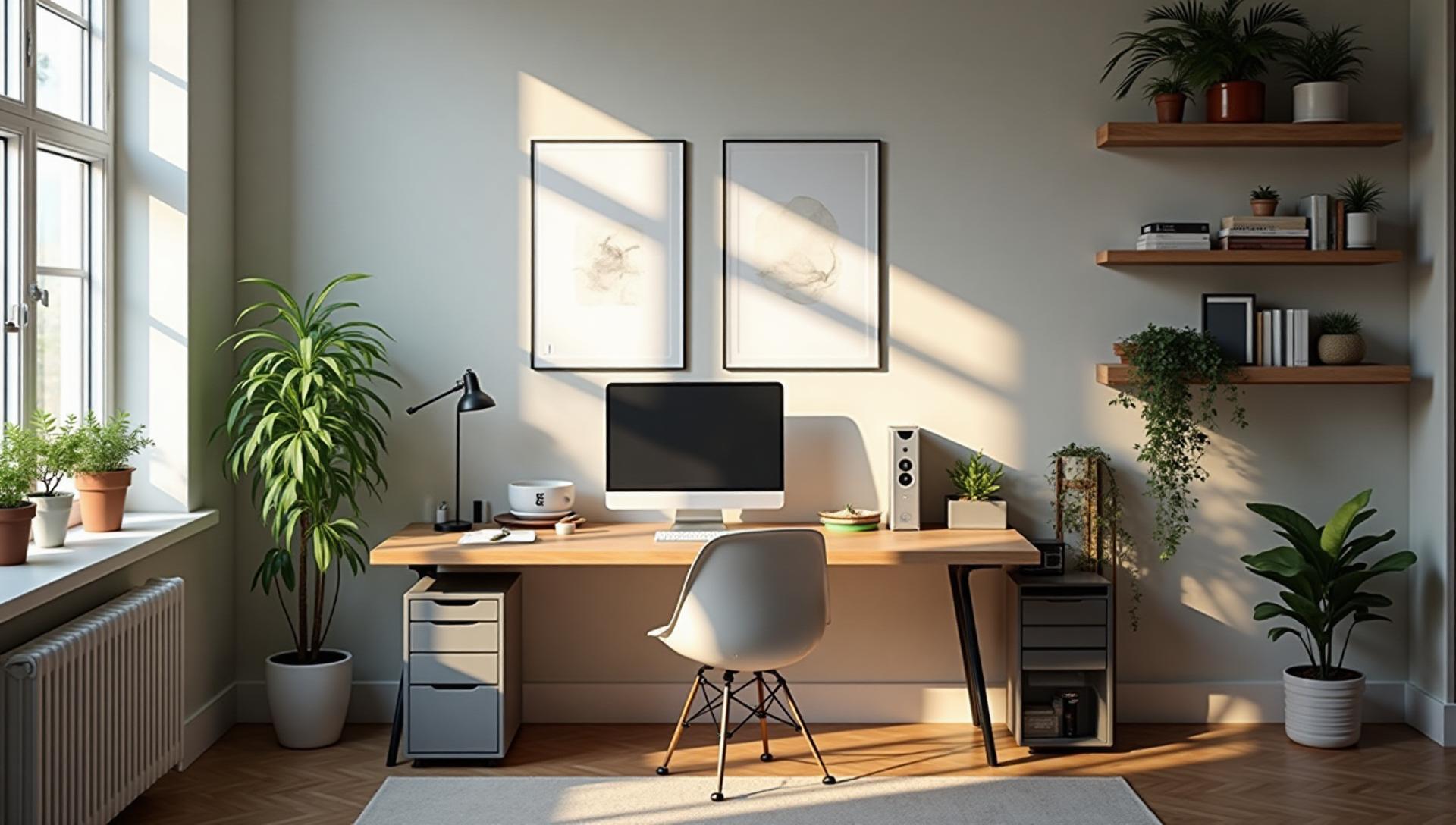
Working from home has become the new normal for millions of people, but let's be honest—keeping a home office organized can be a real challenge. Between paperwork, office supplies, tech equipment, and personal items, clutter builds up fast. The good news? With smart storage solutions and organizational strategies, you can create a workspace that actually helps you focus and get things done.
Why Home Office Organization Matters
Your workspace directly impacts your productivity, focus, and mental clarity. A cluttered desk isn't just visually distracting—it's mentally exhausting. When your office is disorganized, you waste time searching for things, feel overwhelmed before you even start working, and struggle to maintain focus.
On the flip side, a well-organized home office creates a professional environment that signals to your brain it's time to work. It reduces stress, improves efficiency, and makes the workday more enjoyable. Plus, when everything has a designated place, maintaining that organization becomes effortless.
Assess Your Current Space
Before implementing any storage solutions, take an honest look at your current situation. What's working? What isn't? Common home office storage challenges include:
- Papers piling up on every surface
- Tangled cables and cords everywhere
- Office supplies scattered across drawers and desk
- Reference materials taking up valuable workspace
- Seasonal or archived items occupying prime real estate
- Equipment you rarely use cluttering up your office
Identifying your specific pain points helps you choose storage solutions that actually solve your problems rather than just shifting clutter around.
Smart Storage Solutions for Every Home Office
Vertical Storage: Use Your Wall Space
Most home offices underutilize vertical space. Look up—those walls can hold a lot more than just artwork. Consider:
- Floating shelves: Perfect for reference books, binders, and decorative storage boxes
- Wall-mounted organizers: Keep frequently used supplies within reach without taking up desk space
- Pegboards: Customizable and versatile for everything from office supplies to tech accessories
- Bulletin or magnetic boards: Visual organization for notes, calendars, and important reminders
Desk Organization Essentials
Your desk should only house items you use daily. Everything else belongs somewhere else. Keep your workspace functional with:
- Drawer organizers: Separate pens, clips, sticky notes, and other small supplies
- Desktop trays: Stack incoming papers, outgoing documents, and current projects
- Monitor stands with storage: Elevate your screen while creating space underneath for supplies
- Cable management: Use clips, sleeves, or boxes to corral cords and keep them tidy
Filing Systems That Actually Work
Paper might be going digital, but most of us still deal with physical documents. Create a system that makes filing easy and retrieval effortless:
- Filing cabinets: Essential for tax documents, contracts, and important records
- Labeled folders: Color-code by category or client for quick identification
- Desktop file holders: For current projects and active documents
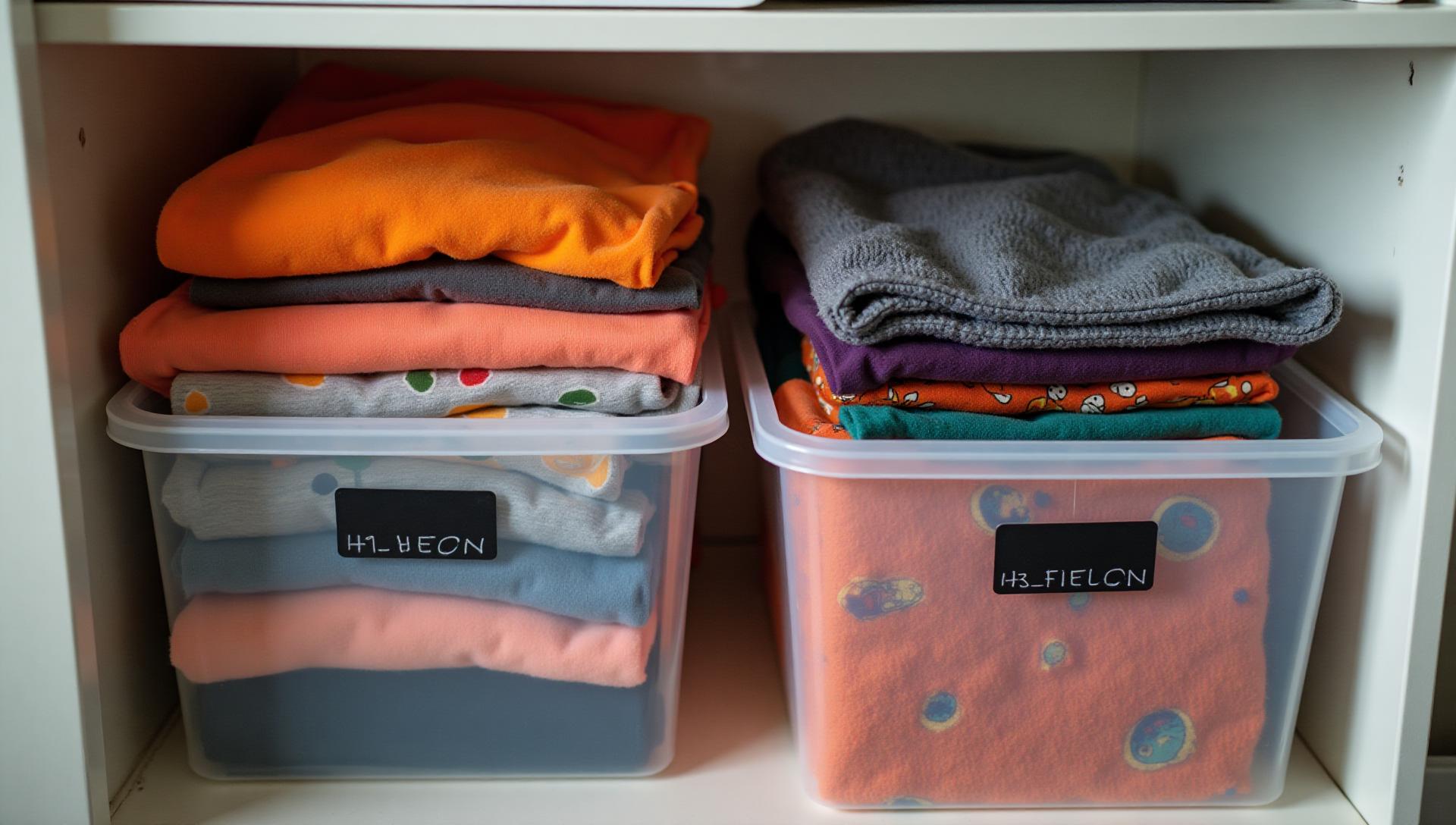
- Archive boxes: Store completed projects or documents you need to keep but rarely access
Hidden Storage Solutions
Sometimes the best storage is the kind you don't see. Hidden storage keeps your office looking clean while maximizing capacity:
- Storage ottomans: Double as seating and hide away supplies or files
- Desk with built-in storage: Drawers and compartments keep everything accessible but hidden
- Closed cabinets: Conceal supplies, equipment, or materials you don't use daily
- Under-desk storage: Rolling drawers or pedestals maximize space beneath your workspace
Digital Organization Matters Too
Physical clutter isn't the only thing affecting your productivity. A disorganized computer can be just as problematic. Apply the same organizational principles to your digital workspace:
- Create a logical folder structure for files
- Use consistent naming conventions
- Regularly delete unnecessary files
- Back up important documents
- Organize your desktop—it shouldn't be a dumping ground
Dealing with Rarely Used Items
Here's a common dilemma: You have equipment, supplies, or documents you need, but you don't use them regularly. They're taking up valuable office space, but you can't just get rid of them.
This is where off-site storage makes sense. Seasonal items (like tax documents from previous years), backup equipment, archived projects, or reference materials you rarely access can be stored securely off-site. This frees up your home office for items you actually use while keeping everything accessible when you need it.
Maintaining Your Organized Office
Organization isn't a one-time project—it's an ongoing practice. Here's how to maintain your newly streamlined workspace:
Daily Habits
- Spend 5 minutes at the end of each workday tidying your desk
- File papers immediately rather than letting them pile up
- Return items to their designated spots after use
- Close out tabs and organize files on your computer
Weekly Maintenance
- Clear out your inbox (physical and digital)
- Review your filing system and purge unnecessary papers
- Wipe down surfaces and clean your keyboard/mouse
- Assess what's working and what needs adjustment
Monthly Reviews
- Deep clean your office space
- Reorganize drawers and cabinets as needed
- Archive completed projects
- Evaluate your storage systems and make improvements
Creating Zones in Your Home Office
Even in a small space, creating functional zones improves workflow and organization:
- Work zone: Your desk and immediate workspace for active tasks
- Reference zone: Bookshelves, filing system, and resources you consult regularly
- Supply zone: Organized storage for office supplies and equipment
- Archive zone: Out-of-the-way storage for items you need but rarely access
The Psychology of a Streamlined Workspace
There's real science behind why organized spaces improve productivity. A Princeton University study found that physical clutter competes for your attention, reducing your ability to focus and process information. When your office is organized:
- Your stress levels decrease
- You can focus better on tasks
- You feel more in control and professional
- Decision fatigue reduces
- Your creativity and problem-solving improve
Making It Work for You
Remember, the goal isn't to create a picture-perfect office that doesn't actually function for your needs. The best storage solutions are the ones that work with your natural habits and workflows.
If you tend to leave papers on your desk, create an attractive tray system that contains them. If you're visual and need to see things to remember them, use open shelving instead of closed cabinets. The key is finding systems that reduce friction—making it easier to stay organized than to let things pile up.
With the right storage solutions and organizational systems in place, your home office can become a space that truly supports your best work. You'll save time, reduce stress, and maybe even enjoy your workday a little more.
Maximize Your Home Office Space
Free up valuable office space by storing archived documents, seasonal items, and rarely-used equipment with Juujbox. Our climate-controlled storage keeps your important items safe and accessible while your workspace stays focused on productivity. We handle pickup and delivery, so you can focus on your work.
Learn More About Home Storage